Ask the Painter

So, What is the deal with green paint?

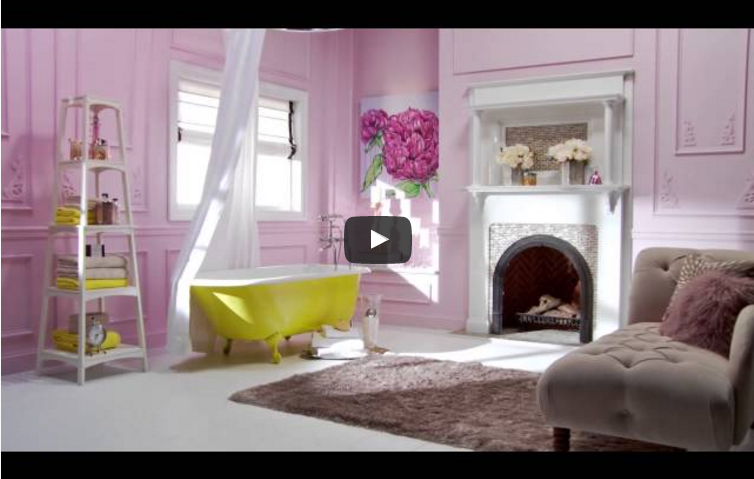
Of course we are talking about environmentally friendly paint, not this springs latest color palette.  Most paints contain volatile organic compounds (VOC's) that are emitted into the air as the paint dries.  There has been a trend lately that, coinciding with the green movement, to reduce the amount of VOC's in our paint. California and other states have gone so far as to ban Oil based paints which are the worst offenders.  The New York Times has an excellent article outlining the details of the current green paint technology. View it here

Question:

I've recently had some repairs done to the exterior of my house.  The carpenter caulked the repairs with silicone caulk and now I can't paint it.  Whenever I apply paint to the area it just slides off.  What can I do?

Answer:

This is a common problem as carpenters are not always knowledgeable about finishing techniques. 

If you need to paint over silicone caulk, you have two options.  First, you can carelfully cut or scrape out all of the offending caulk and then recaulk with a paintable caulk.  If the the silicone caulk is freshly cured this can be a major problem as this stuff is very strong and hard to remove.  

The second, and better option, is to simply cover the silicone caulk with a paintable caulk.  The paintable caulk will adhere to the silicone and then you can paint freely over the top. 

Question:

I'm in the process of modernizing my house a bit and would like to know how to remove popcorn ceiling texture.  I want to get rid of the 70's feel in the house. 

Answer:

Removing popcorn texture is relatively strait forward and a quite simple technique.  However, it can be labor intensive so be aware that it will take longer than you think.

Most of the time, when a house is built, the texture is applied and then never painted.  If this is the case in your house, you are in luck.  All you need to do is put down a copious amount of plastic and tarps to protect your floor, then spray the ceiling with water from a garden sprayer.  Work in small sections and don't over wet the ceiling. You want just enough water to loosen the texture but not enough so that it will soak into the drywall. Once the texture is wet, you can easily scrape it down with a mud knife.  

If your ceiling has been painted before, the water won't help very much, you just need to scrape away at it with a 6 inch mud knife until the texture comes off.  This will be quite labor intensive.  Another option is to use a random orbital sander and just start sanding.  You willl have to experiment to find the technique that works best for you. 

After you have scraped the texture off, and let it dry completely (at least 48 hours) you can go back with a sander and smooth everything out.  Then you can apply your new texture or skim coat the ceiling for a nice flat finish. 

Paint the ceiling and you are finished. 

If you need help with this project let us know as our painters are experienced with this task. 

Question:

I am planning on painting my bathroom, however it is covered in hideous wallpaper.  What steps do I need to take in order remove it without damaging the wall behind it?

Answer:

This is always one of the major obstacles to interior painting contractors. And there is quite a bit to know before you begin.  

First you must realize that there are 2 different types of wall paper: paper faced, and vinyl faced.  These are exactly as they sound.  The vinyl faced wall paper has a plastic feel to it, and is impermeable to water and other solvents. Luckily this type of wall paper has been out of style since the 70s and is found in fewer and fewer home. 

Additionally there are couple of tactics that you should take to remove wall paper.  The first thing you should try is to just peel up a corner of a sheet and try to slowly remove the top layer of paper.  If you are lucky this top layer will come off in one sheet leaving a layer of thin backing paper adhered to the wall with paste.  This usually happens with expensive wallpapers.  The cheap papers will usually tear off in little strips or not at all.  

If the paper comes off in one big piece like described above, you are in luck.  All you have to do is remove the top layers, then spray the remaining backing with a wallpaper paste dissolver like DIF (found at any home store or paint store).  Once the backing is completely soaked, it will easily come off with a large scraper or knife. 


If, however, your paper face rips in little pieces you are in for a bit of a job.  Determine if the paper is vinyl or paper faced.  If it is vinyl faced you will have to score the entire wall will a wall paper score tool.  This will poke tiny wholes into the wall paper face and allow the remover to soak into the backing.  If it is paper faced, proceed with the next step. 

Using a garden sprayer or spray bottle, soak a good sized section of the wall with wallpaper remover.  As soon as you apply the remover, put a sheet of painters plastic film onto the wall.  The liquid will adhere the plastic to the wall.  The purpose of the plastic to hold the remover on the wall and to keep it from evaporating.  The worst thing that could happen at this point is for your remover to evaporate.  This would cause the glue to reset and stick harder than before.  

Let the remover soak into the wallpaper for at least 30 minutes.  Continuously check to see if the paper is loosened.  Add more remover to the wall if it starts to dry out.  

Caution:  If you let the remover soak for too long, it may seep into the drywall and loosen the drywall paper from the rock.  This will result in serious wall damage and will make a lot more work for you in repairs. You need to let the remover soak just long enough to loosen the paste.  

Once the paste is loosened, just scrape the paper off with a mud knife.  Be careful not to gouge the walls though, as this will create more work for you.


Now that you have the wallpaper off, you are not quite ready to paint.  If you paint now, the remaining glue will cause major problems with the paints adherence. The paint will likely fish-eye, and flake off the wall.  You must wash down the walls with a solution of wallpaper glue remover and water.  Then when this is finished. You must prime the walls with an oil based wall primer. Killz will work perfectly.  After all this you can fill any gouges or chips and then you can paint as normal.  

If this sounds like more than you bargained for, let us know.  Our skilled painters have the experience to do this job right the first time and will probably save you money and time.

Question:

I have a whole mess of trim to do and I am wondering what is the best way to avoid brushmarks without taking 2 years to finish. I am using an allmost white BM semi

Answer:

All paints have different properties when it comes to leveling. Some paints self level and leave a smooth finish no matter how hard you try to screw it up. Others will never level properly no matter how hard you try.  One technique that will help with the leveling of paints is to add an extender or conditioner to the paint. Floetrol (Latex) and Penetrol (Oill) can be added to paints to help with their leveling properties.  An additional bonus is that these products will also help with coverage. 

You will also want to use a proper brush for this job. It is essential that you use a natural bristle or china bristle brush made specifically for fine finishes. You should also invest in a high quality brush such as Purdy.  If  you use a cheap brush you will have lot of problems.  

I recommend using Sherwin Williams Pro-Classic Oil based Semi-gloss for painting trim.  This paint is a little thicker than standard paints, but if you add a bit of penetrol it will flow nicely. This combination will almost ensure that your trim is as smooth as glass.

More Articles...

Page 1 of 2

Start
Prev
1

Schedule an Estimate Online

Schedule a free painting estimate online. 24 hours a day 7 days a week.
Schedule Now

Call us Today

918-361-1506

Recent Testimonial

After receiving several estimates for work that needed to be done on our home, we chose Dukes Painting.  Marty Dukes did an outstanding job on our exterior painting!  His professionalism, attention to detail and excellent work made us look forward to hiring him again!  He took care of more than we had asked once he realized that the wood around our windows needed to be replaced, not just painted.  We appreciate his honesty and great skills. More important than paint on our house, he was so kind to our two small children who were interested in watching him work for two days!  They kept a close eye on him and he was a great sport!  Thank you, Marty for taking care of our home's curb appeal! Thanks so much for everything!!!

-Mendy and Jeff

Serving Tulsa, Owasso, Sapulpa, Sand Springs, Midtown, Jenks, Broken Arrow, Florence Park, Wedgwood, Moeller Heights,  Mingo Valley, Lortondale, Florence Park South,  Seqouyah, Audobon, Briarwood Park, Bryn Mawr, Maple Ridge, Ranch Acres, Cherokee Heights, Maplewood, McKinley, Layman and all Tulsa Neighborhoods and Suburbs.